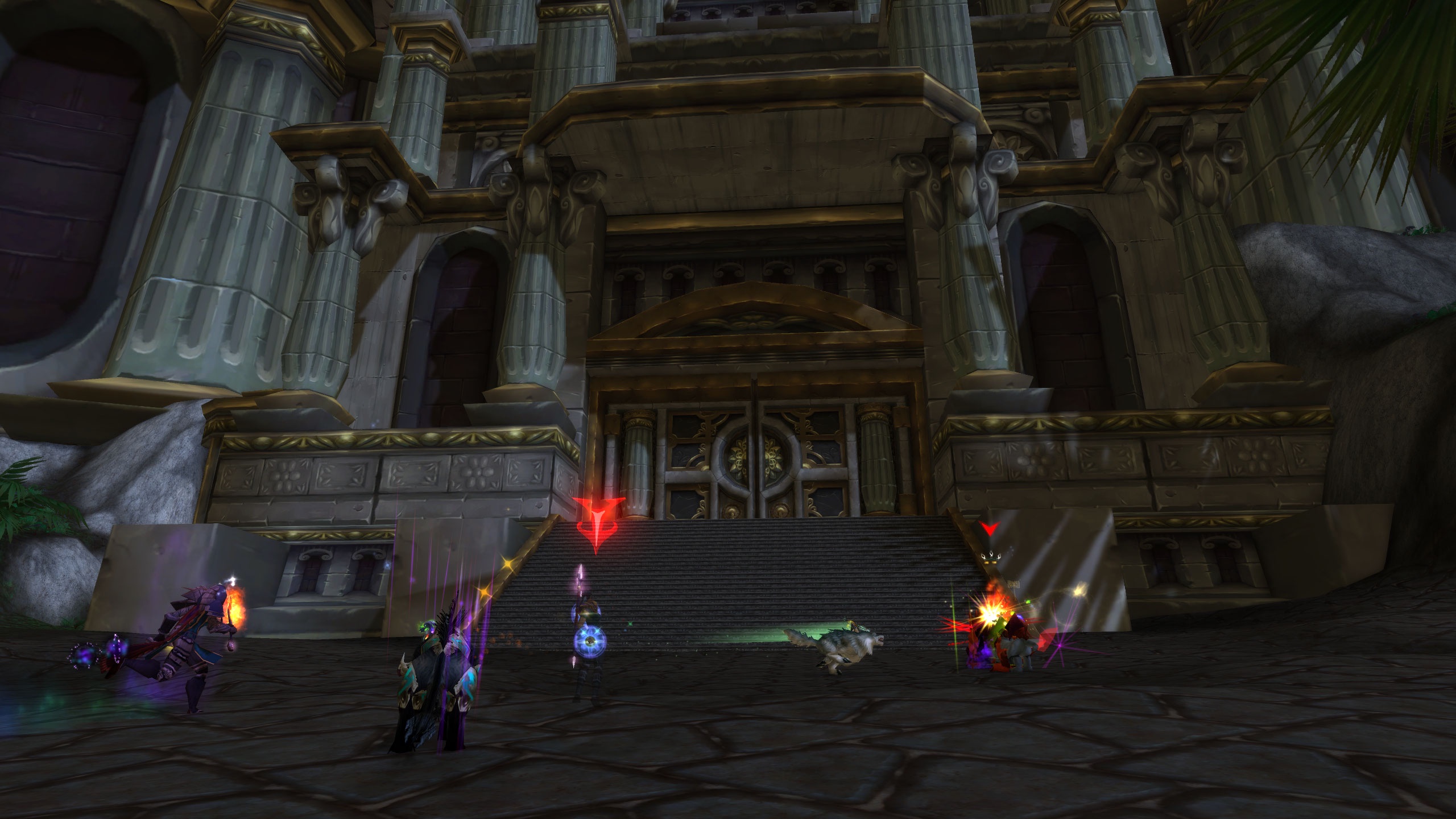
World of Warcraft (WoW) has profoundly influenced gaming and MMORPG culture. It introduced immersive online play where player interaction shapes the experience. WoW redefined game mechanics, fostering both unity and competition, and made community building essential. Its questing, combat, and progression systems set standards for complexity balanced with user-friendliness. Strong community bonds and virtual economies highlighted WoW’s social and economic impact, setting new trends in game design and marketing. It also expanded into various media, enriching its lore and presence. WoW’s legacy continues to inspire future gaming trends and community engagement. As you explore further, you’ll uncover more about its lasting influence.
Key Takeaways
- WoW set new standards for online play, emphasizing player interaction and community building.
- It refined MMORPG game mechanics, including questing, combat, and progression, influencing future games.
- WoW’s virtual economy and social dynamics impacted both in-game culture and real-world communities.
- Cross-media expansions, including novels and comics, enriched WoW’s lore and broadened its audience.
- The game’s legacy continues to shape MMORPG genre trends and influences game design and player engagement strategies.
Revolutionizing Online Play
World of Warcraft’s introduction of immersive online play fundamentally changed how gamers interact within digital domains. Before you knew it, player interaction wasn’t just a feature; it became the backbone of the gaming experience. You’ve seen firsthand how game mechanics foster a sense of unity and competition, pushing you to team up for quests or engage in friendly rivalry. Community building emerged as an essential aspect, with virtual economies thriving on player-driven markets. You’ve probably dabbled in these economies, buying, selling, or trading in-game items to enhance your gameplay.
Roleplaying opportunities allowed you to step into the shoes of your character, enriching your experience beyond simple game mechanics. Whether you’re a valiant knight or a cunning sorcerer, the game’s narrative and your interactions with others have brought your character to life. Quest progression and guild dynamics further deepened your engagement. Working through quests, you’ve learned the importance of teamwork and strategy, while guild dynamics introduced you to the complexities of managing and participating in a collective with common goals. Ultimately, World of Warcraft didn’t just change how you play; it revolutionized why and with whom you play.
Setting MMORPG Standards
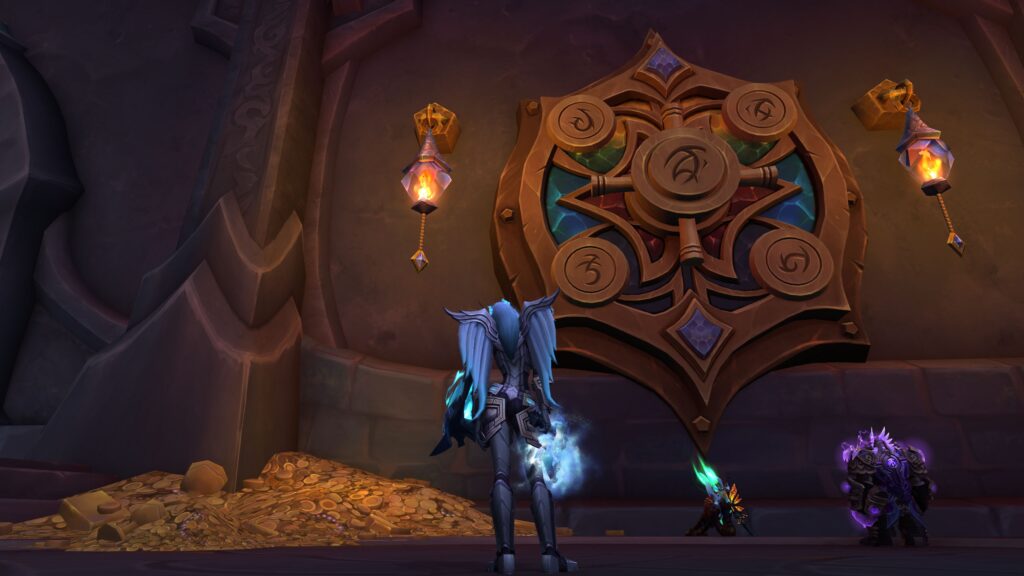
By establishing a blueprint for success, World of Warcraft set the gold standard for MMORPGs that followed. You’ve seen how it revolutionized online play, but it’s the setting of standards in game mechanics, player interaction, and more that truly cemented its legacy.
- Game Mechanics: WoW refined questing, combat, and progression systems, making them engaging and accessible. It showed that depth doesn’t have to come at the expense of clarity, guiding future MMORPGs in balancing complexity with user-friendliness.
- Community Building and Player Interaction: It’s not just about playing the game; it’s about who you play it with. WoW fostered a sense of community, encouraging cooperation and competition alike. Its guilds, raids, and PvP arenas set a template for how games can create social bonds.
- Virtual Economies and Customization: WoW’s auction houses and trade systems demonstrated how in-game economies could mirror real-world principles, offering players a sandbox for entrepreneurship. Additionally, its character customization and storytelling elements allowed for personal expression within a vast, shared world.
Through these innovations, WoW didn’t just set standards; it inspired a generation of games to rethink how they approached everything from virtual economies to community building and character customization.
Economic and Social Influence
Often, the economic and social influence of World of Warcraft has reshaped not just gaming communities, but also real-world social dynamics and industries. You’ve probably noticed its mark on economic growth within the gaming sector, highlighting the potential of virtual economies. These economies aren’t just about in-game gold; they’re about how game worlds can reflect and influence real-world market trends.
The game’s ability to forge strong community bonds has had a profound cultural impact. It’s not just about playing together; it’s about creating shared experiences that transcend the game, affecting social dynamics in meaningful ways. These bonds have contributed significantly to player retention, as the sense of belonging and achievement keeps players coming back.
Moreover, World of Warcraft’s success has set new market trends, showing developers and marketers alike the value of engaging content and community-driven features. This has led to a shift in how games are designed, marketed, and sustained over time.
Cross-Media Expansion
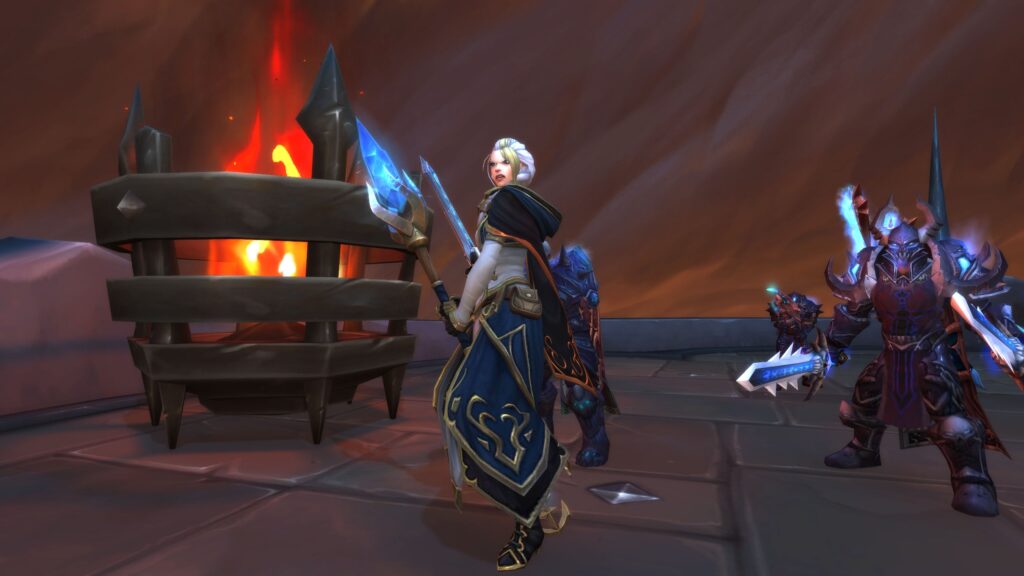
Remarkably, World of Warcraft has seamlessly expanded beyond the domain of gaming into various media forms, greatly broadening its cultural footprint. This cross-media expansion isn’t just about guaranteeing the game on different platforms; it’s about creating a universe that lives and breathes across various forms of media, engaging fans in ways they hadn’t imagined.
- Multimedia adaptations have played a huge role, with novels and comics deepening the lore and characters you’ve come to love.
- Promotional tie-ins and brand partnerships have introduced WoW into unexpected areas of daily life, from energy drinks to clothing lines, making its presence felt far beyond the gaming community.
- Through media collaborations and storytelling crossovers, WoW has connected with other entertainment mediums, offering unique content synergies that enrich both the game’s universe and the partnering content.
This expansion strategy leverages cross-platform integration to ensure that whether you’re watching a movie, reading a book, or playing a different game, the essence of WoW’s expansive world is never far away. These efforts not only maintain the game’s relevance but also introduce its rich narrative and imaginative setting to a broader audience, creating a seamless experience that transcends the original game.
Legacy and Future Trends
World of Warcraft’s legacy has been monumental, shaping not just the MMORPG genre but also setting trends for the gaming industry’s future. This game has not only revolutionized game mechanics but also fostered an incredibly vibrant player community, demonstrating the power of player interaction in creating an enduring game life cycle. The way you’ve seen game design evolve, with an emphasis on immersive worlds and complex narratives, owes much to WoW’s pioneering approach.
Moreover, WoW’s cultural influence stretches beyond the confines of gaming, influencing other media and popular culture, showcasing the game’s broad appeal and impact. As you look to the future, it’s evident that technological advancements will continue to shape the gaming industry, with WoW at the forefront of integrating these innovations to enhance player experience.
The evolution of game mechanics, driven by player feedback and technological progress, suggests a future where player interaction becomes even more nuanced and meaningful. Expect game design to keep pushing boundaries, creating even more immersive and engaging experiences for the player community. As WoW adapts to these changes, its legacy ensures it remains a benchmark in the gaming industry, guiding how games are created, played, and experienced.
Frequently Asked Questions
How Did ‘World of Warcraft’ (Wow) Influence the Design and Development of Non-Mmorpg Genres?
You’ve seen games evolve, right? WoW’s magic didn’t stay in its domain. It pushed cross-platform play, amped up graphical fidelity, and tweaked AI behavior, even in genres far from its own battlegrounds.
In What Ways Has Wow’s Community-Driven Content Creation Impacted the Broader Gaming Community and Industry Practices?
You’ve seen how fan conventions, streamer popularity, guild dynamics, and community events have shaped gaming. Modding tools, fan art, and player-led initiatives have pushed the industry, making your experiences richer and more interactive.
How Did Wow’s Subscription Model and Microtransactions Shape the Monetization Strategies of Future Online and Mobile Games?
Imagine you’re planting a garden. WoW’s subscription model and microtransactions were like innovative gardening tools, shaping the landscape for free-to-play shifts, evolving revenue models, and introducing seasonal updates, while stirring debates on loot box ethics.
What Role Did Wow Play in the Evolution of Gamer Identity and the Perception of Gamers in Mainstream Culture?
You’ve seen how gamer identity evolved, shedding social stigma as geek culture grew. Online friendships, virtual identity, and gender roles shifted, influencing media portrayal and lifestyle integration, transforming perceptions of gamers in the mainstream.
How Has Wow’s Approach to Storytelling and Lore Integration Influenced Narrative Techniques in Other Video Games and Media?
You’re diving into a world where epic quests and mythic storytelling redefine interactive storytelling. WoW’s narrative depth, character development, and lore consistency have inspired cross-media expansion, influencing other video games and media with its rich, immersive tales.
Home
Leave a Reply