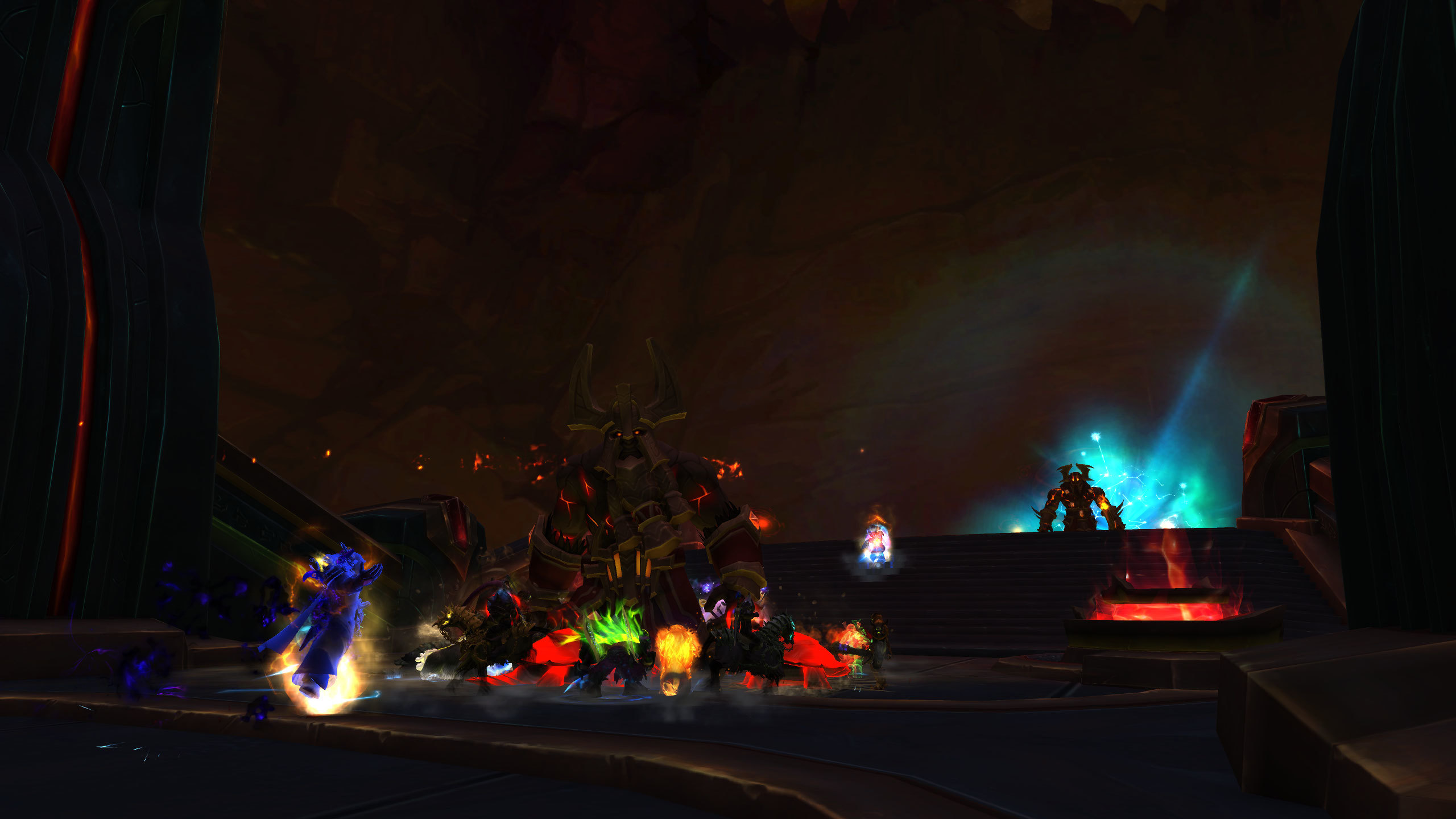
Raid encounters increasingly push healers by overlapping mechanics and damage sources across phases. Instead of isolated healing checks, modern fights layer pressure continuously, demanding sharper prioritization, cooldown planning, and situational awareness from healing teams.
Overlapping Damage Windows Increase Complexity
Multiple mechanics occurring simultaneously compress reaction time. Healers must manage sustained raid damage while responding to targeted spikes. This overlap raises the difficulty ceiling by testing judgment rather than raw output alone.
Cooldown Planning Becomes Phase-Spanning
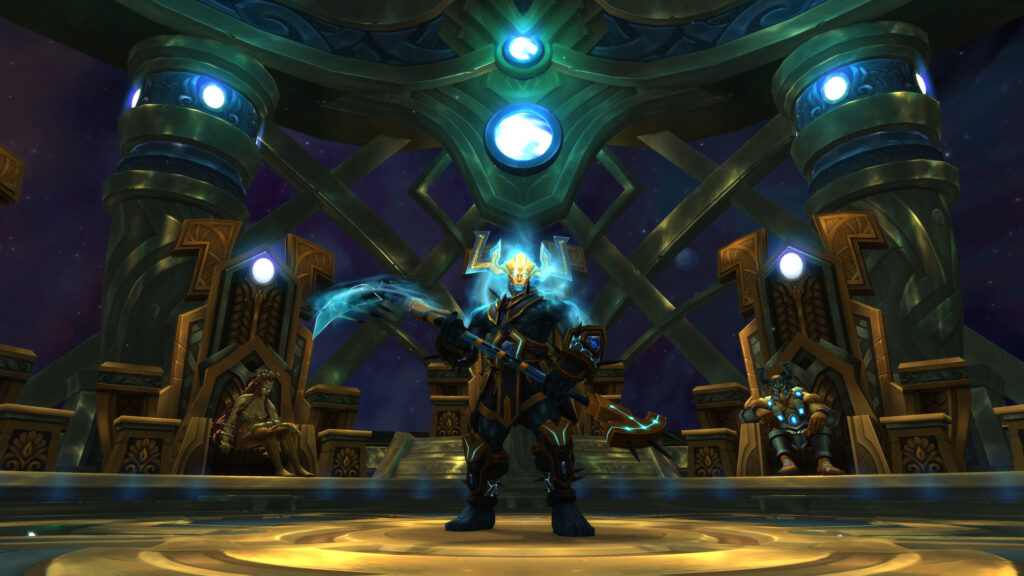
Major healing cooldowns are no longer reserved for single moments. Healers map usage across several overlapping phases, balancing immediate survival against future pressure. Poor planning leaves gaps that quickly lead to deaths.
Prioritization Determines Stability
With multiple threats active, not every health bar can be topped instantly. Healers constantly choose between raid-wide damage, debuffed players, and tanks under pressure. Correct prioritization stabilizes the group even when output limits are reached.
| Healing Challenge | Healer Response | Encounter Result |
|---|---|---|
| Phase overlap | Cooldown layering | Damage coverage |
| Sustained raid damage | Resource pacing | Extended survival |
| Targeted spikes | Rapid prioritization | Prevented deaths |
| Limited recovery windows | Preventive mitigation | Fight stability |
Intensity Rewards Coordination
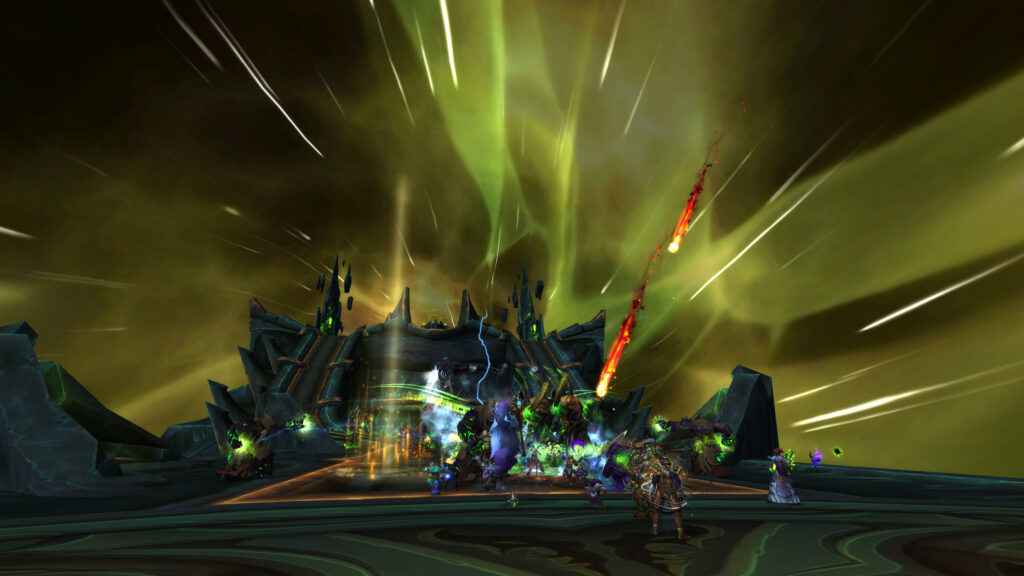
Healing teams perform best when responsibilities are coordinated. Assigning cooldowns and coverage zones reduces overlap waste and ensures constant protection as pressure escalates.
Conclusion
Raid healing intensity ramps up as encounter phases overlap, shifting the role toward planning, prioritization, and coordination. Modern healing success depends on managing layered pressure rather than reacting to isolated damage spikes.
Leave a Reply